

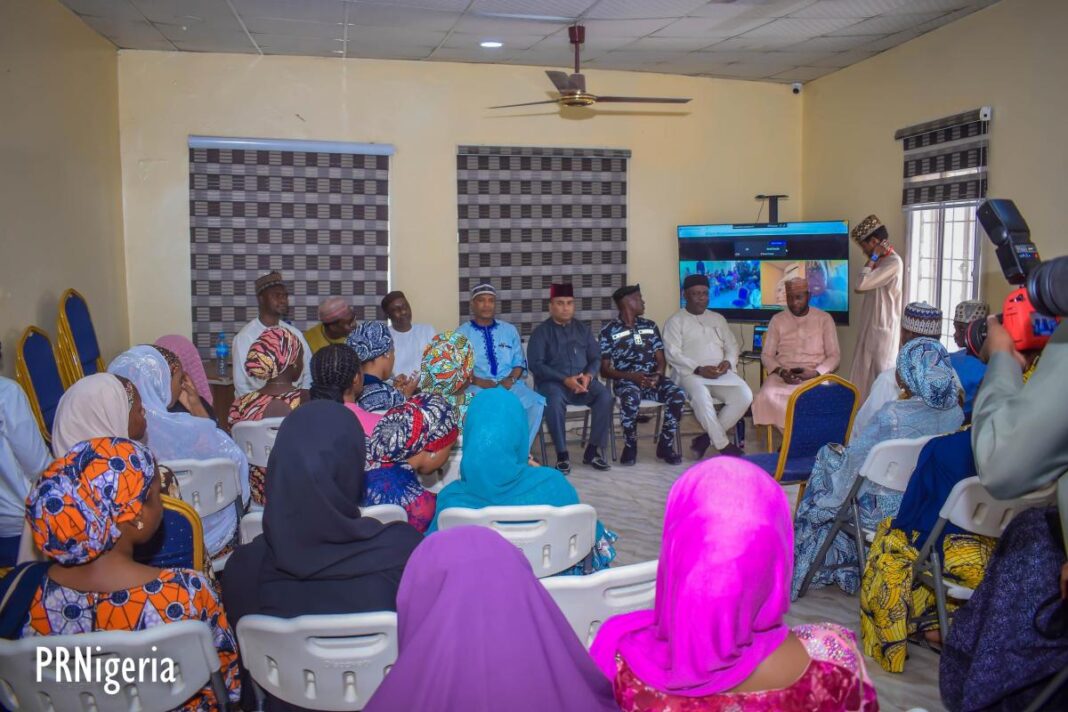

The PRNigeria Centre for Research and Development has trained students of Maryam Abacha American University of Nigeria (MAAUN) in key areas of modern journalism, including investigative reporting, fact-checking, Open Source Intelligence (OSINT), and solutions journalism.
The training, held in Kano, brought together over 30 Mass Communication students in a two-day intensive workshop designed to bridge the gap between theoretical knowledge and practical newsroom skills.
Bridging classroom learning and newsroom realities
Organisers said the workshop was structured to equip participants with hands-on experience in navigating the fast-changing digital media landscape. The sessions covered critical areas such as crisis reporting, ethical journalism, and the use of data and digital tools to combat misinformation.
Speaking during the programme, PRNigeria’s Editor-in-Chief, Yushau Shuaib, commended the students for taking advantage of the training, noting that the skills acquired would be vital in shaping their careers and amplifying underreported voices in society.
He also praised facilitators for their commitment to mentoring young journalists, stressing that knowledge-sharing remains essential to building a new generation of ethical and competent media professionals.
Stakeholders highlight ethical standards
The Vice-Chancellor of MAAUN, Mohammad Israr, described the initiative as timely, particularly in an era characterised by widespread misinformation and information disorder. He urged participants to apply the knowledge gained while reaffirming the university’s readiness to sustain collaboration with PRNigeria.
Similarly, the Kano State Police Public Relations Officer, CSP Abdullahi Haruna Kiyawa, emphasised the importance of responsible communication, warning against reports capable of inciting unrest.
“As reporters, you must understand your professional boundaries and ensure responsible communication, especially during crises,” he said.
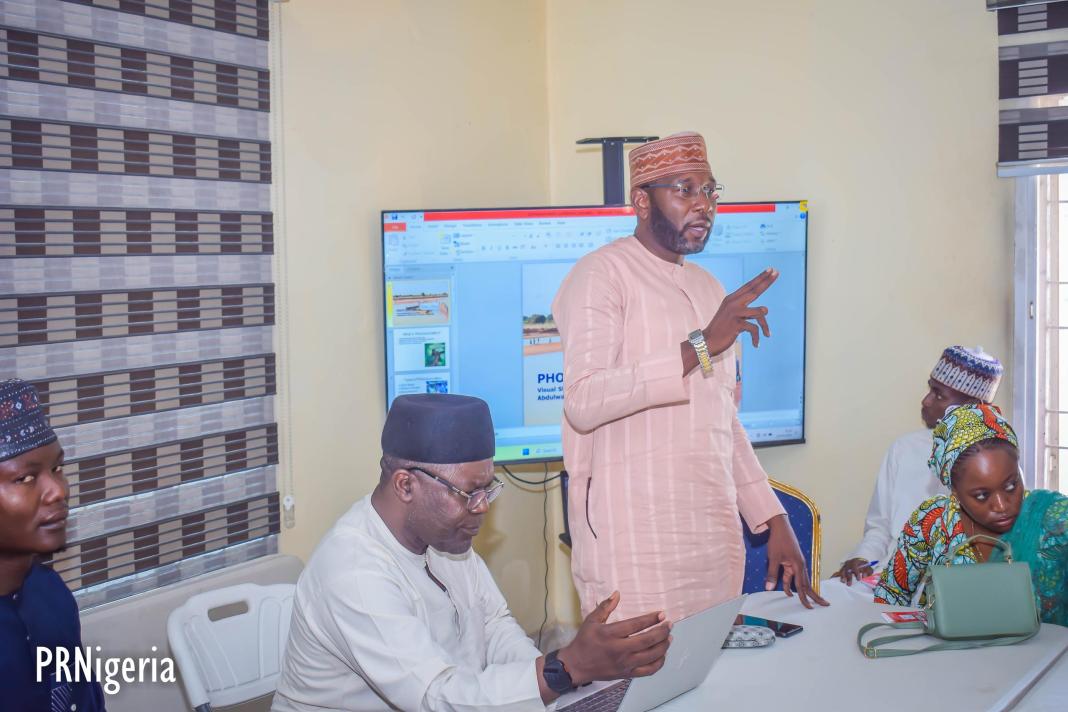
He further highlighted the growing relevance of data-driven journalism and the responsible use of artificial intelligence, noting that data enhances credibility in reporting.
Experts share practical insights
The workshop featured presentations from seasoned journalists and media practitioners who delivered sessions on accountability journalism, investigative reporting techniques, digital verification tools, and storytelling for impact.
Participants were also introduced to solutions journalism—an approach that focuses on reporting responses to societal challenges—alongside training in social media reporting and modern photojournalism.
Facilitators stressed the need for critical thinking, verification, and adherence to ethical standards, particularly in an era where misinformation spreads rapidly online.
Participants laud initiative
Students who participated in the training described it as impactful and transformative, pledging to apply the knowledge gained to improve their journalistic practice.
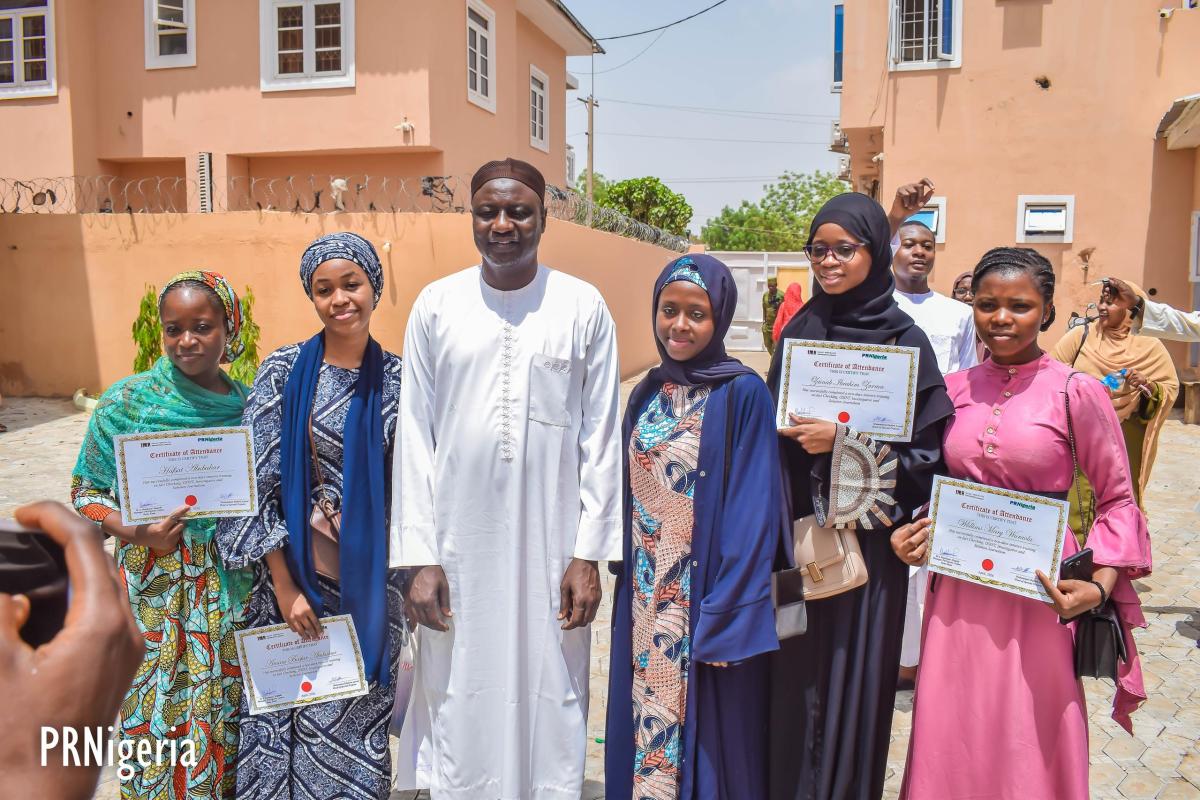
The programme concluded with the presentation of certificates to participants, marking the end of the workshop aimed at grooming the next generation of media professionals.